
Mantoloking Chimney Service
What Coastal Homes Ask of a Chimney

A chimney in Mantoloking does not live the same life as a chimney several miles inland. Coastal air, wind, moisture, seasonal occupancy, and exposure to severe weather can all influence how a chimney ages. While fireplaces often become the center of attention once colder weather arrives, the structure above them works year round. That makes professional Mantoloking chimney service less about reacting to obvious problems and more about understanding what a coastal chimney has been exposed to since its last inspection. For homeowners near the Jersey Shore, the environment itself can provide useful clues about what deserves attention.
Salt Air Is Not Just a Problem for Cars
Anyone who owns property near the ocean knows how quickly coastal air can affect exterior metal. Chimneys may contain several components that are vulnerable to the same conditions.
Caps, flashing, dampers, fasteners, and other metal chimney components can gradually develop corrosion. A chimney cap that appears intact from the ground, for example, may have weakened areas that are difficult for a homeowner to see.
The masonry itself also faces constant environmental exposure. Wind driven rain and moisture can find their way into small cracks and porous surfaces. Once moisture enters masonry, repeated wetting, drying, freezing, and thawing can contribute to deterioration.
Routine chimney service gives a professional an opportunity to evaluate these components before a relatively small weakness develops into a more complicated repair.
Wind Can Reveal Weaknesses
Strong coastal winds are a familiar part of life in Mantoloking. They can also put additional stress on chimney caps, flashing, crowns, and exposed masonry.
A single storm does not necessarily cause obvious chimney damage. In some cases, repeated exposure gradually loosens or weakens materials. A homeowner may notice a new draft, an unusual fireplace odor, moisture near the fireplace, or debris in the firebox without immediately connecting it to the chimney exterior.
This is one reason chimney inspections can be especially valuable after periods of significant weather. The goal is not simply to look for catastrophic storm damage. It is to identify smaller changes that may affect the chimney’s ability to keep water out and vent properly.
Seasonal Homes Can Hide Chimney Problems
Mantoloking includes homes that may not be occupied every week of the year. A chimney that sits unused for an extended period can develop problems without anyone noticing.
Animals may investigate an uncapped or damaged chimney. Leaves and debris can enter from above. Moisture problems can continue during the off season. Damp conditions may produce unpleasant odors that become noticeable only when homeowners return and begin using the fireplace again.
Scheduling Mantoloking chimney service before the heating season can provide reassurance that the system is ready before the first fire is lit. It is particularly important when a fireplace has not been used for months. Lack of use does not necessarily mean that nothing has changed.
Look at the Chimney as Part of the Building Envelope
Homeowners often think of a chimney primarily as the passage that carries smoke out of the house. Structurally, however, it is also a major exterior feature connected directly to the roof and interior living space.
That means problems around the chimney can sometimes resemble roofing or moisture issues.
Damaged flashing can allow water to enter around the chimney. A deteriorated crown can expose masonry below it to moisture. Cracked mortar joints may gradually worsen. Water staining around a fireplace or ceiling does not automatically identify the source, which is why careful evaluation matters.
Professional chimney service can help determine whether the chimney itself may be contributing to moisture intrusion.
The Fireplace Interior Tells Part of the Story
A chimney inspection should not stop at the roofline. Conditions inside the fireplace and flue matter just as much.
Wood burning fireplaces can accumulate creosote and soot over time. How quickly deposits develop depends on fireplace use, wood quality, burning practices, draft, and other factors. Excessive buildup can interfere with proper operation and increase fire risk.
The flue liner also plays an important role. Depending on the chimney system, cracks, deterioration, or other damage may affect how combustion gases travel through the chimney.
Cleaning and inspection work together. Cleaning removes deposits when necessary, while an inspection helps determine whether the chimney components themselves appear suitable for continued use.
Changes In the Home Can Affect Chimney Performance
Sometimes a chimney has not changed, but the house around it has.
Replacement windows, air sealing, powerful kitchen exhaust fans, bathroom fans, and other home improvements can alter airflow within a house. A fireplace that drafted well for years may begin behaving differently after renovations or mechanical upgrades.
Homeowners might notice smoke entering the room when a fire starts or difficulty establishing a strong draft. These symptoms should not automatically be blamed on the chimney, but they are worth investigating. Chimney professionals can evaluate the system as part of the larger environment in which it operates.
Coastal Chimney Care Should Be Preventive
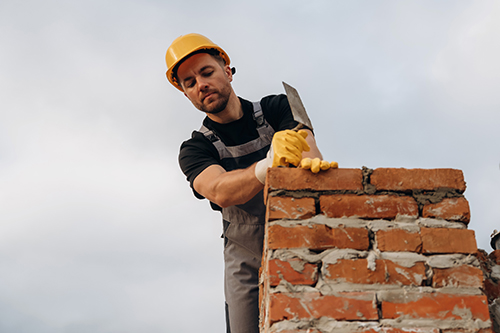
One of the most useful ways to approach chimney maintenance is to avoid waiting for a dramatic warning sign.
A chimney can develop early stage deterioration long before a homeowner sees falling bricks or major water damage. The benefit of routine service is the opportunity to find conditions when they may still be easier to address.
For Mantoloking homeowners, preventive attention can include inspecting exposed masonry, evaluating chimney caps and crowns, checking flashing, cleaning when needed, and looking for signs of moisture or deterioration inside the chimney system.
The exact needs will vary from house to house. Age, construction, fireplace type, frequency of use, storm exposure, and previous maintenance all influence what should be checked.
Trust Baron’s Chimney Service with Your Mantoloking Chimney Service
A fireplace should add comfort to a Shore home without becoming another source of uncertainty. Baron’s Chimney Service helps homeowners evaluate, maintain, clean, and repair chimney systems so potential concerns can be identified before regular fireplace use begins.
If your chimney has been through another season of salt air, heavy rain, coastal winds, or long periods without use, scheduling professional Mantoloking chimney service can be a smart part of maintaining your property.
A chimney may look unchanged from the driveway, but the conditions affecting it never really take a season off.